
Common finishings of rigid boxes include foil stamping, cold foil process, textured finishes, embossing, and debossing. Each finishing method gives the box a different visual and tactile effect.
What Are Rigid Box Finishings?
Rigid box finishing refers to the decorative and tactile processes applied to the outer wrapping paper or surface of the box. These processes are usually added after printing and before or after the paper is mounted onto the rigid board.
Finishings can affect:
| Factor | Influence on Rigid Box |
| Appearance | Makes the box more attractive and premium |
| Brand image | Highlights logo, pattern, and design details |
| Touch feeling | Adds texture, depth, or raised effects |
| Product value | Improves customer perception of quality |
| Shelf impact | Helps packaging stand out in retail display |
| Unboxing experience | Improves unboxing and strengthens brand value. |
For luxury packaging, finishing is not only decoration. It is part of the brand communication.
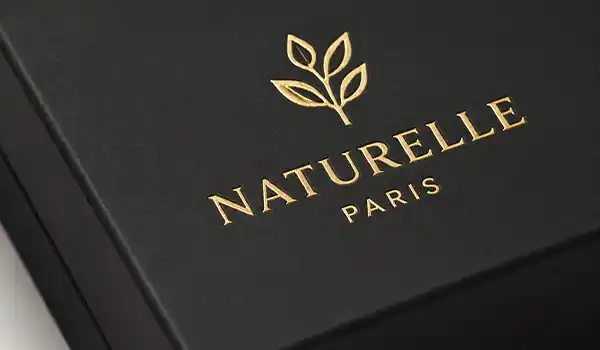
Foil Stamping
Foil stamping transfers metallic or colored foil onto wrapping paper with heat and pressure. The foil can be metallic, matte, glossy, holographic, or colored.
Gold foil and silver foil are the most widely used options, but rose gold, black foil, white foil, copper foil, blue foil, green foil, and holographic foil are also available.
Why Foil Stamping Is Popular
Foil stamping gives rigid boxes a strong luxury feeling. A simple logo can look much more premium when finished with metallic foil. This is why foil stamping is often used for high-end cosmetic boxes, perfume boxes, jewelry boxes, watch boxes, wine boxes, and gift packaging.
It works especially well on dark-colored paper, textured paper, specialty paper, matte laminated paper, and soft-touch laminated surfaces.
Common Applications of Foil Stamping
| Application Area | Common Use |
| Logo | Brand logo on lid or front panel |
| Brand name | Metallic brand name or product name |
| Decorative lines | Borders, frames, and patterns |
| Small icons | Luxury symbols or simple design elements |
| Gift packaging | Holiday or limited-edition designs |
Pros and Cons of Foil Stamping
| Pros | Cons |
| Strong luxury appearance | Requires a stamping die |
| Excellent for logos and brand names | Higher cost than basic printing |
| Many foil colors available | Not ideal for extremely fine details |
| Works well with dark and textured paper | Large foil areas need careful control |
| Creates strong visual contrast | Extra production time is required |
Foil stamping is a good choice when the brand wants the rigid box to look premium, elegant, and memorable.
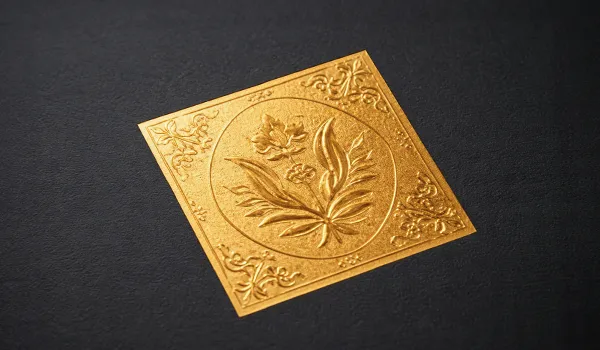
Cold Foil Process
Cold foil process is another foil decoration method. Unlike traditional hot foil stamping, cold foil does not use a heated die in the same way. Instead, an adhesive is printed onto the required area, and foil is transferred onto the adhesive surface. It is then cured or processed to bond the foil to the paper.
Cold foil is commonly used in high-speed printing and packaging production. It is especially suitable for more complex foil patterns, larger decorative areas, and designs that need metallic effects combined with printed colors.
Difference Between Hot Foil Stamping and Cold Foil
| Item | Foil Stamping | Cold Foil Process |
| Main method | Heat and pressure with die | Adhesive transfer process |
| Tooling | Requires metal die | Usually no traditional hot stamping die |
| Best for | Logos, simple patterns, premium details | Larger areas, fine patterns, metallic printing effects |
| Surface effect | Strong metallic shine and pressure mark | Metallic layer with printable flexibility |
| Common style | Luxury and classic | Modern and decorative |
Advantages of Cold Foil Process
Cold foil is useful when the design requires metallic effects over a larger area or more detailed artwork. It works with printing to produce vivid metallic color effects. For example, silver cold foil can be applied first, then printed with transparent color ink to create different metallic colors.
This process is often used for premium retail packaging, cosmetic packaging, labels, and special edition gift boxes.
Pros and Cons of Cold Foil Process
| Pros | Cons |
| Suitable for complex foil patterns | May not feel as deep as hot foil stamping |
| Good for larger metallic areas | Requires suitable paper and process control |
| Can combine with color printing | Not always ideal for textured paper |
| Efficient for repeated production | Metallic brightness may vary by material |
| Good for modern packaging design | Testing is recommended before mass production |
Cold foil is a good choice for brands that want a metallic look with more design flexibility.
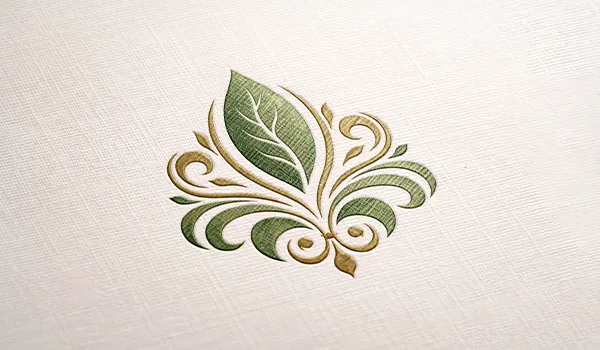
Textured Finishes
Textured finishes create a surface that can be seen and felt. Instead of relying only on color or shine, textured finishes add tactile value to the rigid box. They can make the packaging feel more natural, artistic, luxurious, or handmade.
Textured finishes may come from the wrapping material itself, such as textured paper, leatherette paper, linen paper, or wood grain paper. They can also be created through special coating, embossing plates, or surface processing.
Common Types of Textured Finishes
| Texture Type | Visual and Tactile Style | Suitable Packaging |
| Linen texture | Elegant, fabric-like feel | Jewelry, apparel, gift boxes |
| Leather texture | Luxury and durable look | Watch boxes, perfume boxes |
| Wood grain texture | Natural and warm | Tea, wine, food gift boxes |
| Sand texture | Fine and modern touch | Cosmetic and electronics boxes |
| Pearl texture | Soft shimmer and premium look | Beauty and gift packaging |
| Fabric texture | Soft and handmade style | Luxury gift and fashion boxes |
Why Textured Finishes Matter
Textured finishes are very useful for minimalist packaging. Even if the box has only a small logo, the material itself can make the box feel premium. A textured paper box with foil stamping can look elegant without complex artwork.
Textured finishes are also good for brands that want a natural, eco-friendly, traditional, or high-end image.
Pros and Cons of Textured Finishes
| Pros | Cons |
| Adds premium touch feeling | May cost more than plain paper |
| Works well for minimalist designs | Full-color printing may be less sharp |
| Improves brand personality | Some textures are harder to wrap |
| Suitable for luxury packaging | Glue and corner control are important |
| Can combine with foil stamping | Material availability may vary |
For rigid boxes, textured finishes are often chosen when brand feeling and touch experience are more important than complex printed graphics.
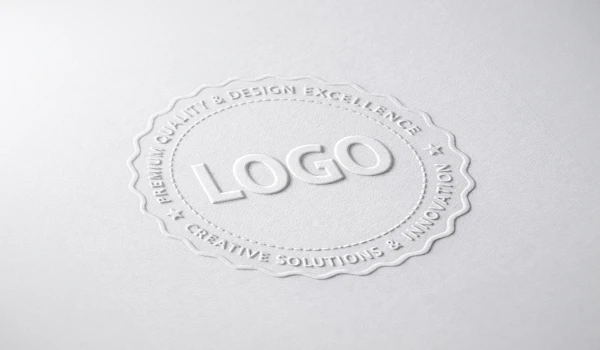
Embossing
Embossing raises selected designs from the rigid box surface for a tactile effect. A custom metal die is used to press the paper from behind or from both sides, making the selected area stand higher than the surrounding surface.
Embossing adds raised effects to logos, patterns, borders, and decorative details, and can be paired with foil stamping, printing, or spot UV.
Advantages of Embossing
Embossing gives the rigid box a three-dimensional appearance. It also improves touch feeling. When customers run their fingers over the box surface, they can feel the raised logo or pattern. This makes the packaging more memorable.
Embossing is especially suitable for luxury brands that want subtle but high-quality decoration.
Common Applications of Embossing
| Application | Effect |
| Logo embossing | Makes the brand mark stand out |
| Pattern embossing | Adds surface depth and texture |
| Border embossing | Creates a refined frame effect |
| Foil + embossing | Adds metallic shine and raised texture |
| Blind embossing | Creates a clean raised effect without ink or foil |
Blind embossing is a popular option for minimalist luxury boxes. It creates a raised design without adding color, making the effect elegant and understated.
Pros and Cons of Embossing
| Pros | Cons |
| Adds raised tactile effect | Requires custom die |
| Creates a premium appearance | Extra cost and production time |
| Works well with logos | Not suitable for overly complex images |
| Can combine with foil stamping | Paper thickness must be considered |
| Good for luxury packaging | Deep embossing may affect paper surface |
Embossing is a good choice when the brand wants the rigid box to feel more detailed and high-end.
Debossing
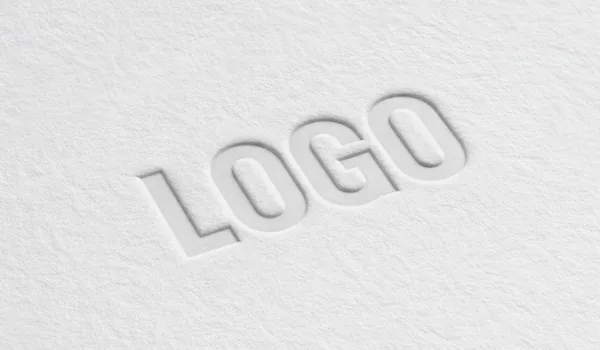
Debossing presses a logo or pattern into the box surface, creating a recessed effect that looks lower than the surrounding area.
Debossing is widely used for luxury rigid boxes because it creates a refined and subtle impression. It is often used on matte laminated paper, soft-touch paper, textured paper, leatherette paper, and black card paper.
Advantages of Debossing
Debossing creates a clean and elegant effect. It does not need bright colors or metallic decoration to look premium. A debossed logo on a soft-touch black box can look very sophisticated.
Debossing also gives customers a tactile experience. The recessed design can be felt by hand, which adds depth and quality to the packaging.
Common Applications of Debossing
| Application | Effect |
| Logo debossing | Subtle luxury brand effect |
| Pattern debossing | Adds depth to the surface |
| Blind debossing | Minimalist pressed-in effect |
| Foil + debossing | Metallic recessed decoration |
| Leather texture paper | Creates a premium leather-like style |
Pros and Cons of Debossing
| Pros | Cons |
| Elegant and understated | Requires custom die |
| Excellent for luxury packaging | Very small details may not be clear |
| Works well on textured paper | Deep pressure needs careful control |
| Adds tactile feeling | Extra cost compared with flat printing |
| Suitable for minimalist design | Not ideal for thin or weak paper |
Debossing is especially suitable for brands that prefer subtle luxury rather than bright decoration.
Common Finishing Combinations
Many rigid boxes use more than one finishing process. The right combination can make the packaging more attractive and professional.
| Combination | Packaging Effect |
| Foil stamping + embossing | Metallic shine with raised luxury effect |
| Matte lamination + debossing | Minimalist and elegant surface |
| Textured paper + foil stamping | Premium tactile look with brand highlight |
| Soft-touch lamination + blind embossing | Smooth luxury touch with subtle logo |
| Cold foil + color printing | Modern metallic artwork effect |
| Debossing + spot UV | Recessed detail with glossy contrast |
A perfume box can combine soft-touch lamination and gold foil stamping for a luxury effect. A jewelry box may use textured paper with embossed logo. A high-end electronics box may use matte lamination with debossing for a clean and modern look.
How to Choose the Right Finishing for a Rigid Box
The best finishing depends on brand positioning, material selection, design style, budget, and order quantity.
For luxury packaging, foil stamping, embossing, and debossing are highly recommended because they add premium visual and tactile effects.
For modern metallic designs, cold foil process can be suitable, especially when the artwork has larger metallic areas or complex patterns.
For natural or handmade-style packaging, textured finishes are a strong choice because they provide a unique touch and visual identity.
For minimalist brands, blind embossing or blind debossing can create a clean and refined look without heavy decoration.
For high-end gift packaging, combining textured paper, foil stamping, and embossing can create a stronger unboxing experience.
A well-designed rigid box should not rely only on shape and printing. The finishing process is what turns ordinary packaging into premium packaging. By choosing the right finishing method and combining it with suitable paper, lamination, and box structure, brands can create rigid boxes that look beautiful, feel high-quality, and strengthen product value.