
Wrapping material is one of the most important elements of rigid box packaging. It determines the box’s surface appearance, printing quality, texture, and brand impression. Common wrapping materials include art paper, coated paper, textured paper, kraft paper, black card paper, pearl paper, metallic paper, leatherette paper, and wood grain paper.
What Is Rigid Box Wrapping Material?
Rigid box wrapping material refers to the outer paper or surface material pasted onto the base board of a rigid box. Since the inner board is usually grey chipboard, duplex chipboard, or another structural board, it is not normally exposed directly. The wrapping material covers the board and creates the final surface effect.
A typical rigid box structure includes:
| Layer | Function |
| Base board | Provides strength, thickness, and shape |
| Wrapping material | Provides surface color, texture, printing, and brand appearance |
| Surface finishing | Adds protection and decorative effects |
| Inner lining | Improves presentation and product protection |
For most rigid boxes, wrapping paper is one of the most visible and important materials. It determines whether the box looks simple, premium, natural, modern, or luxurious.
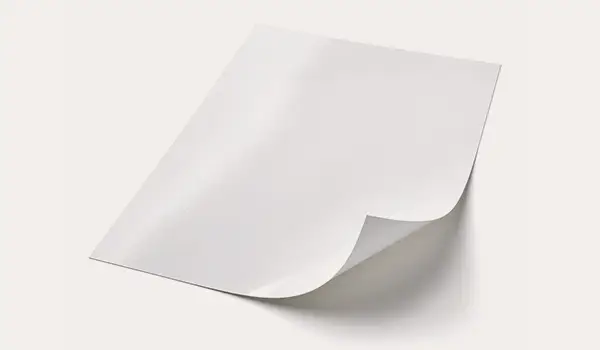
Coated Paper
Coated art paper is one of the most common wrapping materials for rigid boxes. It features a smooth finish that supports clear, high-quality printing. Many cosmetic boxes, electronics boxes, gift boxes, perfume boxes, and retail packaging boxes use coated art paper as the outer wrapping layer.
Coated art paper can show bright colors, clear images, and detailed patterns. It is a good choice when the box design includes product photos, gradient colors, complex graphics, or colorful brand elements.
Common paper weights include:
| Art Paper Weight | Common Use |
| 128 gsm | Lightweight wrapping, economical packaging |
| 157 gsm | Common rigid box wrapping paper |
| 200 gsm | Thicker surface, better hand feel |
| 250 gsm | Stronger wrapping, premium surface effect |
For many rigid box projects, 157 gsm coated art paper is widely used because it offers a good balance between printing quality, flexibility, and cost. If the paper is too thick, it may be harder to wrap around corners neatly. If too thin, it may not fully hide the board’s surface texture.
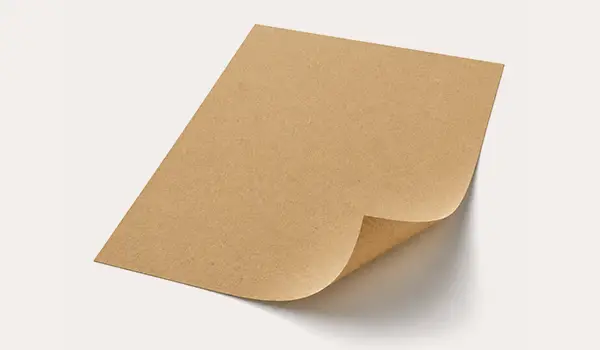
Kraft Paper
Kraft paper is popular for eco-friendly, natural, and minimalist packaging. Kraft paper comes in brown, white, and black; brown feels natural, while white looks cleaner.
Kraft paper is commonly used for tea packaging, food gift boxes, handmade products, organic cosmetics, stationery boxes, and sustainable brand packaging.
Advantages of Kraft Paper
Kraft paper has a natural appearance and strong environmental image. It helps brands express a simple, sustainable, and genuine image. It can be paired with black printing, white printing, foil stamping, or simple patterns.
However, brown kraft paper does not show bright colors as well as coated paper. It is better for simple designs rather than complex photo printing.
Common paper weights include:
| Common Weight | Typical Use |
| 100 gsm | Lightweight wrapping and inner lining |
| 120 gsm | Small rigid boxes and eco-style packaging |
| 150 gsm | Common kraft wrapping for rigid boxes |
| 180 gsm | Stronger wrapping for medium boxes |
| 200 gsm | Premium kraft gift boxes |
Kraft paper in 120–180 gsm is a common choice for rigid box wrapping. If the box is large or the brand wants a stronger handmade feel, 200 gsm kraft paper can also be considered.
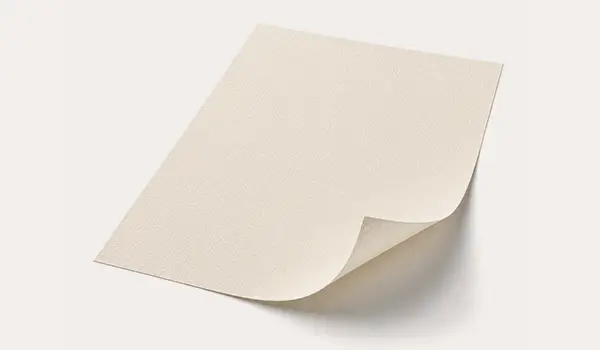
Textured Paper
Textured paper is a type of wrapping paper with a visible and touchable surface texture. Common textures include linen, leather grain, canvas, wood grain, sand grain, fabric texture, and fine embossing patterns.
Textured paper is often used for premium gift boxes, wine boxes, tea boxes, jewelry boxes, apparel packaging, and cultural product packaging. It creates a more natural, elegant, or handmade feeling.
Advantages of Textured Paper
Textured paper gives the rigid box a strong tactile experience. Even with a simple logo, the box can look premium. It is especially suitable for brands that prefer understated luxury rather than colorful printing.
However, textured paper may not be ideal for complex full-color printing because the uneven surface can affect image sharpness. It is usually better for foil stamping, screen printing, debossing, or simple logo printing.
Common paper weights include:
| Common Weight | Typical Use |
| 120 gsm | Light wrapping for small premium boxes |
| 150 gsm | Common textured wrapping paper |
| 180 gsm | Better texture and stronger wrapping effect |
| 200 gsm | Premium boxes with visible surface texture |
| 250 gsm | Luxury gift boxes and large rigid boxes |
For most textured rigid boxes, 150–200 gsm is commonly used. Very thick textured paper may look premium, but it may also increase corner-wrapping difficulty.
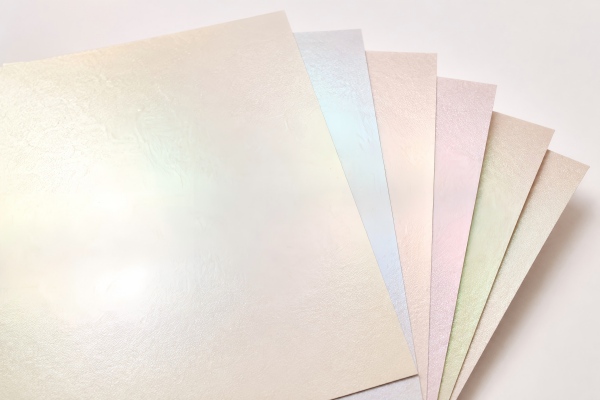
Pearlescent Paper
Pearl paper has a soft shimmer or pearlescent surface. It reflects light gently and creates a delicate, elegant appearance. It is commonly used for cosmetics, perfume, jewelry, wedding gift boxes, beauty products, and luxury gift packaging.
Pearl paper is suitable for brands that want a feminine, refined, or premium image. It often works well with light colors, foil stamping, embossing, and simple logo designs.
Advantages of Pearl Paper
Pearl paper provides a decorative surface without heavy printing. The natural shine of the material can make the rigid box look more elegant. It works well for beauty, luxury gift, and premium retail packaging.
Still, pearl paper is not suitable for every packaging design. If the artwork requires strong color accuracy or heavy ink coverage, testing is recommended before mass production.
Common paper weights include:
| Common Weight | Typical Use |
| 120 gsm | Small boxes and decorative wrapping |
| 150 gsm | Common pearl paper wrapping |
| 180 gsm | Premium cosmetic and gift boxes |
| 200 gsm | Luxury rigid boxes with stronger surface feel |
| 250 gsm | Special high-end packaging projects |
For pearl paper rigid boxes, 150–200 gsm is a common range. It provides a good balance between flexibility, surface effect, and wrapping performance.
Metallic Paper
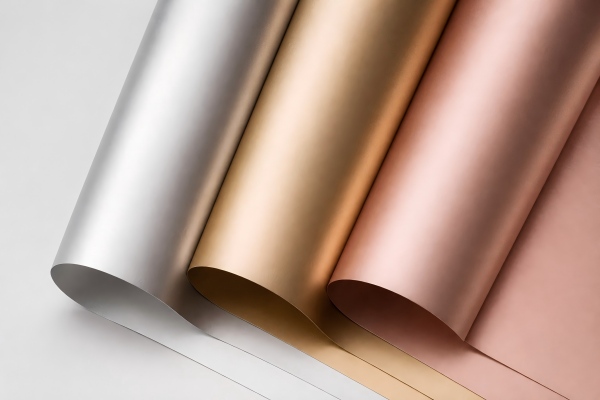
Metallic paper has a shiny metal-like surface. It can be gold, silver, rose gold, bronze, or other metallic colors. This material is often used for luxury gift boxes, holiday packaging, cosmetics, alcohol packaging, and promotional premium boxes.
Advantages of Metallic Paper
Metallic paper creates a strong visual impact. It can make the box look bright, festive, and premium. It is useful for special editions, seasonal gifts, and high-end retail packaging.
However, metallic paper can be more difficult to print and glue than normal art paper. It may also show scratches more clearly. For this reason, the design and production process should be carefully tested.
Common paper weights include:
| Common Weight | Typical Use |
| 120 gsm | Decorative wrapping for small boxes |
| 150 gsm | Common metallic wrapping paper |
| 180 gsm | Premium gift boxes and cosmetic boxes |
| 200 gsm | Stronger luxury packaging |
| 250 gsm | Special packaging with stronger metallic effect |
For most rigid boxes, 150–180 gsm metallic paper is commonly used. If the material is too thick, it may be harder to wrap around corners smoothly.
Leatherette Paper
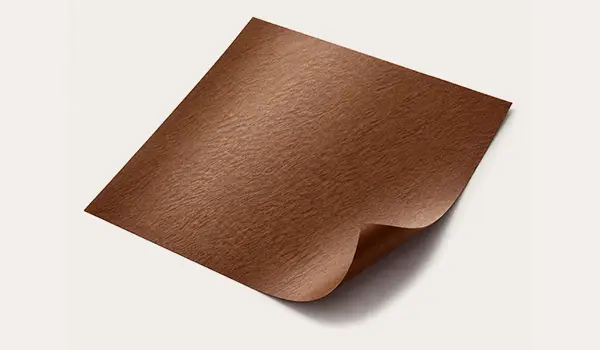
Leatherette paper gives rigid boxes a textured surface similar to leather. It is often used when brands want a luxury and durable appearance without using real leather. It is common in watch boxes, jewelry boxes, premium electronics packaging, wine boxes, and executive gift boxes.
Advantages of Leatherette Paper
Leatherette paper gives the rigid box a strong luxury and tactile feel. It pairs nicely with hot stamping, raised logos, and recessed design effects. It can also make the packaging look more durable and high-end.
Because the surface texture is strong, leatherette paper is usually better for simple designs instead of full-color printing.
Common paper weights include:
| Common Weight | Typical Use |
| 120 gsm | Small decorative rigid boxes |
| 150 gsm | Common leather-texture wrapping |
| 180 gsm | Premium packaging with better texture |
| 200 gsm | High-end gift boxes and watch boxes |
| 250 gsm | Large luxury boxes or special projects |
For leatherette paper, 150–200 gsm is often suitable. It provides a clear texture while still allowing the paper to wrap properly around the rigid board.
Wood Grain Paper
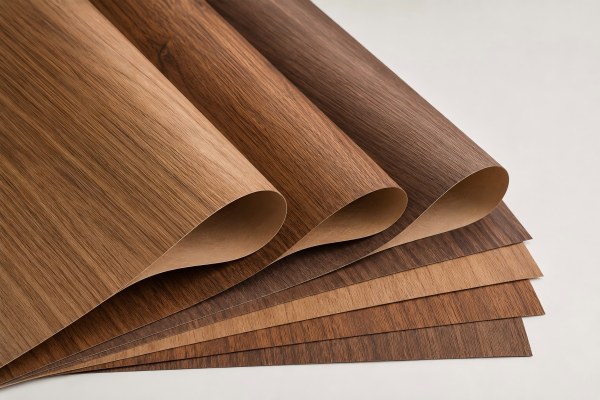
Wood grain paper imitates the appearance of natural wood. It is often used for tea boxes, wine boxes, food gift boxes, health product packaging, and traditional-style gift boxes.
Advantages of Wood Grain Paper
Wood grain paper creates a natural, warm, and premium look. It is a good alternative when a brand wants the visual feeling of wood packaging but needs a lighter and more cost-effective paper box solution.
It is usually used with simple printing, hot stamping, or embossed logos.
Common paper weights include:
| Common Weight | Typical Use |
| 120 gsm | Small boxes and decorative wrapping |
| 150 gsm | Common wood grain wrapping |
| 180 gsm | Medium gift boxes and tea boxes |
| 200 gsm | Premium natural-style packaging |
| 250 gsm | Larger gift boxes or stronger surface effect |
For most wood grain rigid boxes, 150–200 gsm is a common choice.
Thickness and Weight Considerations
Rigid box wrapping materials need a balanced thickness for smooth and durable wrapping. If it is too thin, the glue marks or board texture may show through. Excessive thickness can make clean corner wrapping more challenging.
For paper wrapping materials, 120 gsm to 157 gsm is commonly used for many rigid box projects. Thicker paper, such as 200 gsm or above, can create a stronger surface feel, but it may cause problems during corner folding, especially for small boxes or complex structures.
For specialty paper, fabric, velvet, and leatherette materials, thickness and flexibility should be checked carefully. The material should be soft enough to wrap around corners but strong enough to avoid tearing or wrinkling.
A good wrapping material should balance appearance, flexibility, printing effect, glue performance, and production efficiency.