
After printing, many custom rigid boxes need extra coating or lamination. These processes protect the printed surface, improve touch feeling, enhance color performance, and make the box look more premium. Common finishes include UV, spot UV, gloss, matte, soft-touch, and anti-scratch lamination.
What Are Coatings and Laminations?
Coating and lamination are both surface finishing methods used after printing, but they are not exactly the same.
Coating usually means applying a liquid layer onto the printed paper surface. After drying or curing, it forms a protective or decorative layer. Common options include UV coating and spot UV.
Lamination means applying a thin plastic film onto the printed paper surface. The film can be glossy, matte, soft-touch, or anti-scratch. Lamination usually provides stronger protection than basic coating.
For rigid boxes, coating and lamination are often used together with printing, foil stamping, embossing, debossing, and specialty paper to create a complete premium packaging effect.
Comparison Table of Common Coatings and Laminations
| Surface Treatment | Main Effect | Best For | Visual Style |
| UV Coating | Full glossy protective layer | Colorful printed boxes | Bright and polished |
| Spot UV | Glossy highlight on selected areas | Logos and patterns | Premium contrast |
| Gloss Lamination | Shiny film protection | Retail and colorful packaging | Vivid and reflective |
| Matte Lamination | Non-glossy film protection | Luxury and minimalist boxes | Elegant and soft |
| Soft Touch Lamination | Velvety matte surface | High-end packaging | Luxury and tactile |
| Anti-scratch Lamination | Durable matte protection | Dark premium boxes | Clean and refined |
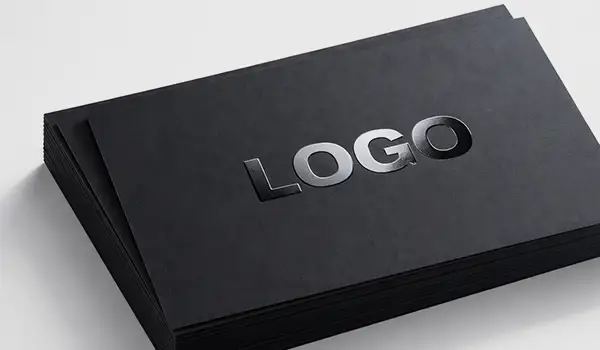
UV Coating
UV coating adds a liquid finish to printed paper and cures it quickly with ultraviolet light. After curing, the surface becomes smooth, glossy, and more resistant to wear.
For rigid boxes, UV coating is commonly used on printed wrapping paper before the paper is mounted onto grey board. It can cover the entire surface or specific design areas, depending on the packaging effect required.
Common Applications
UV coating is often used for:
- Cosmetic rigid boxes
- Gift packaging
- Electronics packaging
- Promotional boxes
- Retail product boxes
- Luxury paper boxes with strong color designs
Pros and Cons of UV Coating
| Pros | Cons |
| Bright and glossy appearance | May not suit minimalist luxury styles |
| Enhances printed colors | Can show fingerprints more easily |
| Adds surface protection | Not ideal for every specialty paper |
| Fast curing process | Large glossy areas may look too shiny |
| Good for visual impact | Testing is needed for textured surfaces |
UV coating is a good choice when the brand wants strong color brightness and a polished surface.
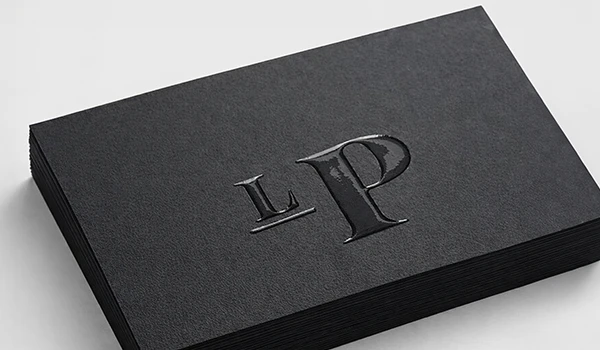
Spot UV
Spot UV is one of the most popular finishing methods for custom rigid boxes. Unlike full UV coating, spot UV is applied only to selected areas of the design, such as a logo, pattern, product name, or decorative detail.
Spot UV adds glossy highlights to matte surfaces, making logos or patterns look more refined and premium.
Spot UV can also create a slightly raised touch when applied with thicker coating, giving the box a more tactile feel.
Common Applications
Spot UV is often used for:
- Brand logos
- Decorative patterns
- Product names
- Luxury gift boxes
- Perfume boxes
- Jewelry packaging
- Cosmetic packaging
- Black card rigid boxes
Pros and Cons of Spot UV
| Pros | Cons |
| Highlights key design areas | Requires accurate registration |
| Creates glossy-matte contrast | Adds extra production cost |
| Suitable for luxury packaging | Not suitable for very tiny details |
| Works well with matte lamination | May crack if placed on folding edges |
| Adds visual and tactile effect | Needs careful artwork preparation |
Spot UV is ideal when the box design needs a premium detail effect instead of full-surface shine.
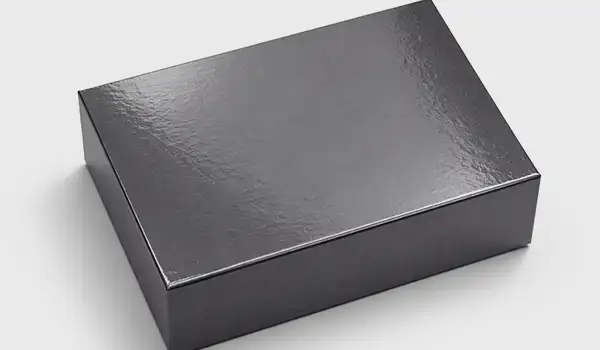
Gloss Lamination
Gloss lamination adds a shiny film layer to the printed paper surface. It gives the rigid box a shiny and reflective finish.
This method is very common in packaging because it protects the printing and makes colors appear brighter. Gloss lamination is especially suitable for colorful packaging designs, product images, and retail boxes that need strong shelf impact.
Common Applications
Gloss lamination is commonly used for:
- Gift boxes
- Toy packaging
- Food gift boxes
- Cosmetic boxes
- Electronics boxes
- Promotional packaging
- Retail display packaging
Pros and Cons of Gloss Lamination
| Pros | Cons |
| Makes colors brighter | Can create strong light reflection |
| Good surface protection | Less suitable for understated luxury |
| Easy to clean | Fingerprints may be visible |
| Suitable for full-color printing | May look less natural than matte finish |
| Cost-effective for many projects | Not ideal for soft, elegant styles |
Gloss lamination is a practical choice when the box needs a bright, vivid, and commercial appearance.
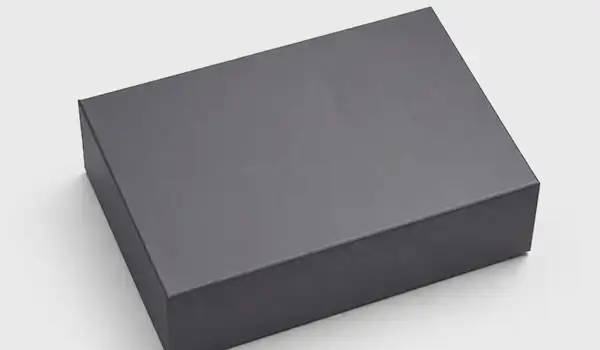
Matte Lamination
Matte lamination uses a matte plastic film to create a soft, non-glossy surface. It is one of the most common lamination methods for premium rigid boxes.
Unlike gloss lamination, matte lamination reduces light reflection and gives the box a calm, smooth, and elegant appearance. It is widely used for luxury packaging, minimalist packaging, and high-end brand boxes.
Common Applications
Matte lamination is commonly used for:
- Perfume boxes
- Jewelry boxes
- Watch packaging
- Cosmetic rigid boxes
- Luxury gift boxes
- Apparel packaging
- Premium electronics packaging
Pros and Cons of Matte Lamination
| Pros | Cons |
| Elegant and premium look | Colors may look less bright than gloss |
| Reduces light reflection | More prone to visible scuff marks |
| Good for luxury packaging | May need anti-scratch film for dark colors |
| Works well with foil and spot UV | Slightly higher cost than basic gloss options |
| Smooth and refined surface | Fingerprints may appear on dark matte boxes |
Matte lamination is a strong choice for brands that want a modern, calm, and high-end packaging style.
Soft Touch Lamination
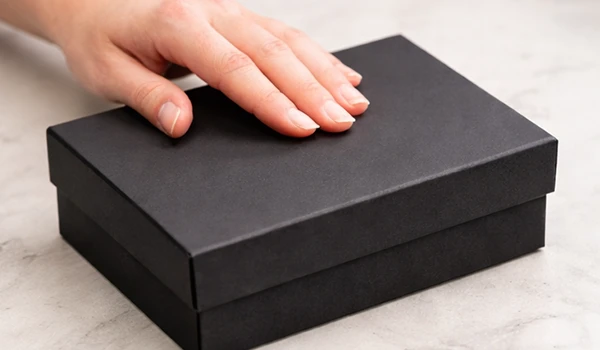
Soft touch lamination is a premium lamination process that gives the rigid box a smooth, velvety, and skin-like touch. It creates a luxury tactile experience that ordinary gloss or matte lamination cannot provide.
Soft touch lamination usually has a matte appearance, but the surface feels softer and more delicate. This makes it popular for high-end rigid boxes where touch experience is part of the brand impression.
Common Applications
Soft touch lamination is commonly used for:
- Luxury cosmetic boxes
- Perfume packaging
- Jewelry boxes
- Watch boxes
- Premium gift boxes
- High-end electronics packaging
- Fashion accessory boxes
Pros and Cons of Soft Touch Lamination
| Pros | Cons |
| Premium velvety touch | Higher cost than standard lamination |
| Elegant matte appearance | May show fingerprints or oil marks |
| Excellent for luxury packaging | Needs careful handling during production |
| Works well with foil and spot UV | Not always necessary for budget packaging |
| Improves customer experience | Dark colors may require anti-fingerprint control |
Anti-scratch Lamination
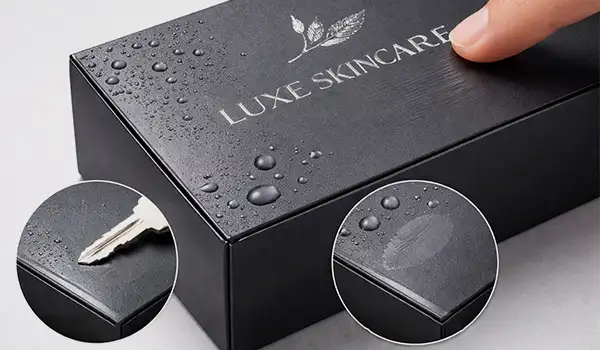
Anti-scratch lamination is a special type of matte lamination designed to reduce visible scratches and scuff marks. It is especially useful for dark-colored rigid boxes, such as black, navy, dark green, or deep red packaging.
Normal matte lamination can look elegant, but it may show scratches during production, shipping, or handling. Anti-scratch lamination helps solve this problem by improving surface durability.
Common Applications
Anti-scratch lamination is commonly used for:
- Black rigid boxes
- Luxury gift boxes
- Premium electronics packaging
- Perfume boxes
- Jewelry packaging
- Watch boxes
- High-end retail boxes
Pros and Cons of Anti-scratch Lamination
| Pros | Cons |
| Better scratch resistance | Higher cost than regular matte lamination |
| Good for dark packaging | May not be needed for light-color boxes |
| Maintains premium matte look | Still not completely scratch-proof |
| Improves packaging durability | Requires good production control |
| Suitable for luxury boxes | Material availability may vary |
Anti-scratch lamination is highly recommended for dark matte rigid boxes, especially when the packaging needs a clean luxury look.
How to Choose the Right Finish for a Rigid Box
The right coating or lamination depends on the product type, brand image, color design, budget, and expected handling conditions.
For colorful retail packaging, gloss lamination or UV coating can make the design more eye-catching.
For luxury packaging, matte lamination, soft touch lamination, spot UV, and foil stamping are often better choices.
For dark-colored boxes, especially black rigid boxes, anti-scratch lamination is recommended because it helps reduce visible scuffs.
For minimalist packaging, matte lamination with spot UV can create a subtle but premium effect.
For high-end gift boxes, soft touch lamination with foil stamping or embossing can create both visual and tactile luxury.
Coatings and laminations are important surface treatments for custom rigid boxes. They protect the printed wrapping paper, improve durability, enhance visual appeal, and create a better customer experience.
UV coating creates a bright and glossy finish. Spot UV adds glossy accents to logos or patterns. Gloss lamination makes printed colors more vivid. Matte lamination gives the box a calm and premium appearance. Soft touch lamination creates a smooth, premium tactile feel. Anti-scratch lamination improves durability, especially for dark matte boxes.
The ideal finish should match the brand, product, design, color, and budget. For premium rigid box packaging, surface finishing should not be treated as a minor detail. It shapes customer impressions before the product is even opened.