
Among the available options, magnetic closure and tuck closure are two of the most common structures. Both provide a convenient folding solution while maintaining the premium feel of rigid packaging, but they serve different product positioning and usage requirements.
What Are Magnetic Closure and Tuck Closure Collapsible Rigid Boxes?
A collapsible rigid box is designed with a rigid board structure that can be folded flat during transportation and storage. Unlike traditional rigid boxes that are shipped fully assembled, collapsible designs reduce logistics volume while maintaining the strength and premium appearance of rigid packaging.
The closure method determines how the box is opened, secured, and presented.
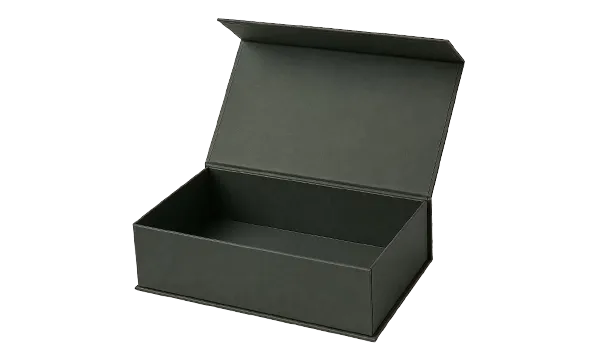
Magnetic Closure Collapsible Rigid Box
A magnetic closure box uses embedded magnets inside the flap and front panel to create a secure closing mechanism.
Magnets align automatically, creating a smooth, secure, and effortless closing experience. This structure is commonly used for:
- Luxury gift packaging
- Electronics packaging
- Cosmetics and skincare products
- Jewelry boxes
- Premium food packaging
- High-end promotional packaging
The magnetic system creates a strong sense of quality because the opening and closing action feels controlled and refined.
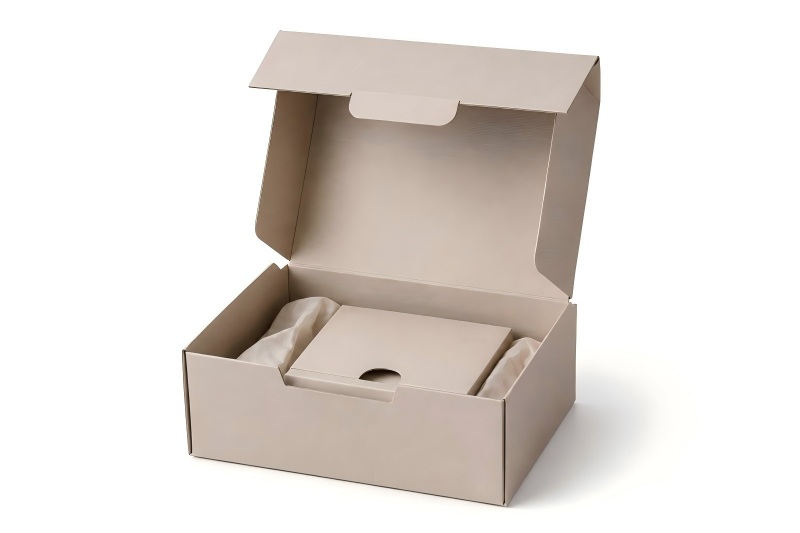
Tuck Closure Collapsible Rigid Box
A tuck closure box uses a flap that inserts into a slot or folds into the box structure to keep the package closed.
Instead of relying on magnets, the closure depends on the precision of the folding structure and material strength.
This style is widely used for:
- Retail packaging
- Subscription boxes
- Apparel packaging
- Small consumer products
- Cost-sensitive luxury packaging
The tuck structure provides a clean appearance while maintaining a more economical packaging solution.
Key Differences Between Magnetic Closure and Tuck Closure
Although both structures belong to collapsible rigid packaging, they create different packaging experiences.
| Feature | Magnetic Closure | Tuck Closure |
| Opening Experience | Premium and interactive | Simple and practical |
| Closing Method | Embedded magnets | Folding flap structure |
| Product Positioning | Luxury and high-value products | General premium and retail products |
| Cost | Higher due to magnets and assembly | More economical |
| Repeated Use | Excellent durability | Suitable for normal use |
| Assembly | Slightly more complex | Easier and faster |
| Shipping Advantage | Similar collapsible benefits | Similar collapsible benefits |
The best choice depends on product interaction and customer experience, not just the box structure.
1. Opening Experience: Luxury Feeling vs Functional Convenience
A magnetic closure box creates a more memorable opening process. The lid opens smoothly, and the magnetic connection produces a satisfying closing sound. This small interaction can enhance the feeling of exclusivity.
For luxury brands, packaging is not only a container but also part of the product experience.
For example, when opening a premium perfume, watch, or electronic device, customers expect the packaging to match the product value. A magnetic closure structure supports this expectation by creating a more elegant presentation.
A tuck closure box provides a different experience. It focuses on efficiency rather than ceremony. The customer can quickly open the package, remove the product, and close it again when needed.
For everyday consumer products, this straightforward experience is often enough.
2. Product Value: Which Style Matches Your Brand Positioning?
The product price and brand positioning are important factors when selecting a closure style.
Magnetic Closure for Premium Products
Magnetic closure is usually preferred when brands want packaging to communicate:
- High product value
- Luxury positioning
- Attention to detail
- Premium customer experience
Products such as:
- Luxury cosmetics
- Designer accessories
- Premium electronics
- Jewelry
- Corporate gifts
often benefit from this structure because the packaging itself becomes part of the perceived value.
A well-designed magnetic collapsible rigid box can make the customer feel that the product inside deserves special attention.
Tuck Closure for Practical Premium Packaging
Tuck closure works well when brands need a balance between appearance and cost.
It is suitable for products where packaging needs to look professional but does not require a luxury unboxing experience.
Common examples include:
- Fashion accessories
- Food gift sets
- Household products
- Subscription packages
For large-volume orders, tuck closure can provide better cost efficiency while still maintaining the rigid box appearance.
3. Cost Considerations: Premium Features vs Production Efficiency
Cost is one of the biggest differences between the two structures.
Magnetic closure boxes require additional components, including:
- Embedded magnets
- Magnet positioning
- Additional assembly steps
- More quality control during production
These factors increase manufacturing complexity.
For small quantities or high-value products, the additional cost may be acceptable because the packaging contributes to brand value.
However, for large-scale packaging projects, the cost difference can become significant.
Tuck closure boxes have a simpler structure. Without additional hardware components, production is usually more efficient, making them suitable for brands that need larger quantities while maintaining a premium appearance.
The decision should consider the total product strategy rather than only the box price.
A higher-cost magnetic box may create stronger customer impressions, while a tuck box may provide better cost control for high-volume markets.
4. Durability and Repeated Usage
Both closure styles can provide reliable protection when properly designed, but their usage characteristics are different.
Magnetic closure boxes generally perform better for repeated opening and closing. The closure mechanism does not rely on repeatedly bending a locking flap, which helps maintain a consistent user experience over time.
This makes them suitable for products where customers may store the packaging after purchase.
For example:
- Jewelry storage boxes
- Collectible packaging
- Premium gift boxes
may benefit from the reusable nature of magnetic closure.
Tuck closure boxes rely on the strength of the folding paperboard structure. They are durable enough for normal retail use but may experience more wear if opened and closed frequently.
For disposable or short-term packaging applications, this is usually not a concern.
5. Transportation and Storage: Both Maintain the Collapsible Advantage
One major advantage of collapsible rigid boxes is their ability to save transportation and storage space.
Regardless of closure type, both magnetic and tuck styles can be designed as flat-pack structures.
Compared with traditional rigid boxes:
- More boxes can fit into the same shipping volume
- Warehouse space requirements are reduced
- Transportation efficiency improves
- Assembly can be completed closer to the final market
This advantage is especially important for international brands because packaging often travels long distances before reaching the final customer.
The closure style mainly affects the customer experience after delivery, not the fundamental space-saving benefit.
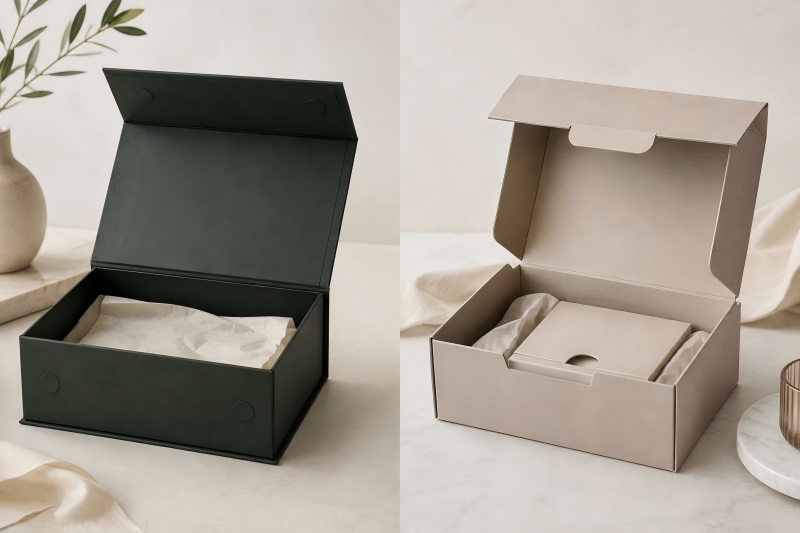
Which Closure Style Fits Your Product Best?
Before selecting a collapsible rigid box structure, brands should consider several questions.
1. What Is the Product Value?
If the product is positioned as luxury or premium, magnetic closure is usually the stronger choice.
If the product focuses on practical retail sales, tuck closure may provide a better balance.
2. How Will Customers Use the Packaging?
Consider whether customers will:
- Open the box once and discard it
- Reuse the box for storage
- Display the packaging
- Give the product as a gift
Frequent interaction usually favors magnetic closure.
3. What Is Your Order Quantity?
For smaller premium production runs, the added cost of magnets may have less impact.
For large-volume orders, tuck closure can help maintain packaging budgets.
4. What Brand Experience Do You Want to Create?
Packaging communicates brand personality.
Magnetic closure suggests:
- Premium
- Elegant
- Exclusive
- High-end
Tuck closure suggests:
- Efficient
- Clean
- Practical
- Flexible
Neither option is universally better. The best choice depends on the message your packaging needs to deliver.
Can Magnetic and Tuck Closures Be Customized?
Yes. Both styles can be tailored to meet different product needs.
Customization options include:
Material Selection
Common materials include:
- Greyboard thickness based on product weight
- Specialty papers
- Textured papers
- Recycled materials
- Fabric or leather-like finishes
Surface Finishing
Brands can choose from:
- Matte lamination
- Gloss lamination
- Embossing
- Foil stamping
- Spot UV
- Custom printing
Interior Design
The interior can be customized with:
- EVA inserts
- Paper trays
- Foam inserts
- Fabric lining
A well-designed collapsible rigid box combines structural performance with brand presentation.
Which Collapsible Rigid Box Style Is Better?
Magnetic closure and tuck closure collapsible rigid boxes both provide the advantages of premium rigid packaging with improved transportation efficiency.
The choice depends on your product priorities:
- Choose magnetic closurewhen you need a luxury unboxing experience, premium appearance, and repeated usability.
- Choose tuck closurewhen you need a practical, cost-effective solution with efficient production and clean presentation.
For high-value products where packaging is part of the brand experience, magnetic closure often creates stronger customer impact. For larger-volume products where efficiency and budget are more important, tuck closure provides a reliable and flexible option.
The right collapsible rigid box is not simply about choosing a closure style. It is about matching the structure, design, and functionality with the product story you want customers to experience.