
A rigid candle box can protect against handling damage and shield the product from direct light, but it does not by itself keep a candle cool. Given enough time in a hot environment, the contents can warm toward that environment. Summer heat protection needs a product limit, a realistic delivery profile and an evaluated shipping arrangement.
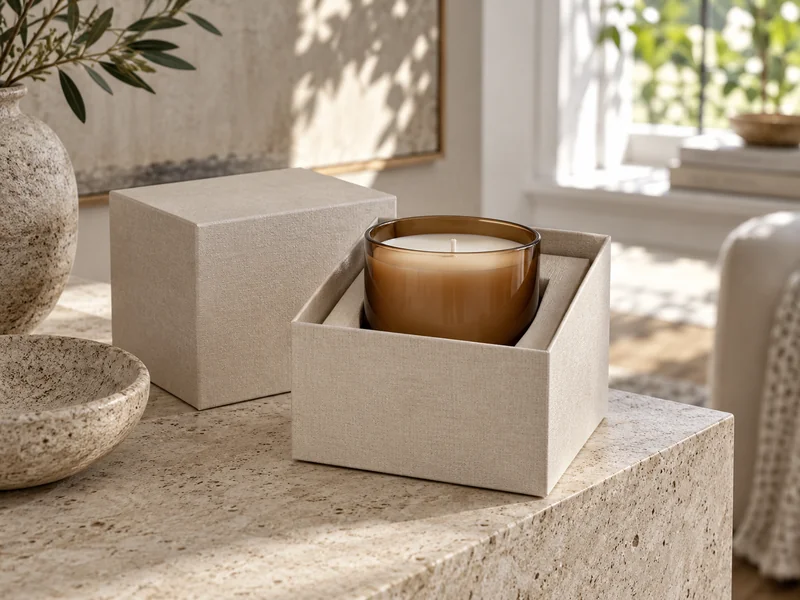
That distinction matters when developing a SevenRainbowpack custom rigid candle box. The gift box is designed around the candle’s presentation and physical support. If the product also needs temperature control, that requirement must be stated separately and carried through to the outer shipment.
What Does the Gift Box Actually Protect?
It provides an exterior structure, a place for the insert and a surface for the brand’s artwork. It can reduce direct exposure to light while closed and help keep neighboring products apart. These are valuable functions, but none establishes a controlled internal temperature.
A foam insert chosen for cushioning does not automatically become a qualified thermal liner. Its shape, thickness, coverage and the rest of the package all matter. Do not infer a summer shipping claim from the presence of foam around a jar.
Our article on structural protection for glass candle jars addresses breakage and movement. A jar can survive that physical journey while the wax inside softens or changes appearance. Evaluate those outcomes independently.
Which Product Limit Should Guide the Decision?
Ask the candle maker for the relevant limits of the finished candle, including its wax blend, fragrance system and vessel. A raw wax melting range is not a complete acceptance criterion for the finished product. Surface change, leaning, leakage or label damage may become unacceptable before an obvious pool of melted wax appears.
Agree what constitutes a pass before evaluating a package. For a pillar, that may include shape and the absence of liner impressions; for a jar, it may include the wax surface, wick position and exterior cleanliness. The criteria need to reflect the actual collection.
The National Candle Association’s candle storage advice recommends cool, dark and dry storage and warns about prolonged exposure to heat or bright light. It does not supply a universal summer shipping threshold. Use the candle maker’s product-specific evidence for that decision.
Can You Use One Temperature for Every Candle?
Only if the candle supplier has justified it for the defined range and acceptance criteria. Different blends and constructions should not be grouped solely because they share a box size. Even one collection may contain variants that respond differently.
Plan the evaluation around the variants that place the greatest demands on the summer shipment. A later change to wax or fragrance should prompt the candle supplier to review the basis for grouping the products. Record the conclusion against the revised formula and the shipping configuration it covers.
Where Does the Shipment Spend Its Time?
Map the full route: packing room, warehouse, pickup, sorting, linehaul, local vehicle and doorstep. A short delivery promise does not describe the temperatures or delays along that route. A shaded warehouse and a sun-exposed doorstep are different exposures even on the same day.
Use actual route information where available. If the profile is still an assumption, label it as a development scenario and explain its basis. Avoid turning an unmeasured “summer day” into an apparently precise test claim.
| Information Needed | Why It Changes the Package Plan |
| Product acceptance limits | Defines what the candle must remain within and how appearance is judged. |
| Expected exposure and duration | Determines the thermal challenge beyond the gift-box structure. |
| Starting product condition | Warm contents leave less room before an upper limit is reached. |
| Shipping configuration | Gift box, outer carton, insulation and any cooling components act together. |
| Delay scenario | Identifies whether the plan still works when delivery takes longer. |
This map also reveals changes outside packaging. Dispatch timing, service selection and delivery arrangements may reduce exposure. Discuss those operational choices alongside the pack rather than asking the gift box to absorb every uncertainty.
Would Thicker Board or a Darker Box Help?
A heavier board changes the physical construction and may alter the rate of warming, but the package still needs a thermal assessment for the intended journey. Judge that effect using the full shipping arrangement and the candle’s acceptance limits. Board caliper by itself cannot establish how long the product remains acceptable in summer delivery.
Choose exterior color for the brand and handling environment, then evaluate the finished system where needed. Do not use a reflective foil logo as evidence of thermal protection. A small decorative finish does not describe the heat behavior of the whole package.
SevenRainbowpack’s two-piece rigid boxes can keep the presentation construction straightforward while a separate outer system addresses transport requirements. Confirm the outer system’s internal space before fixing the gift-box dimensions. Last-minute compression into an insulated shipper can damage the very presentation you developed.
What If Insulation or Cooling Is Needed?
Develop it with a qualified packaging or thermal specialist using the product limits and route profile. Insulation can slow heat transfer, while a cooling component changes the available thermal capacity. Neither should be selected by appearance or added without checking the candle and box together.
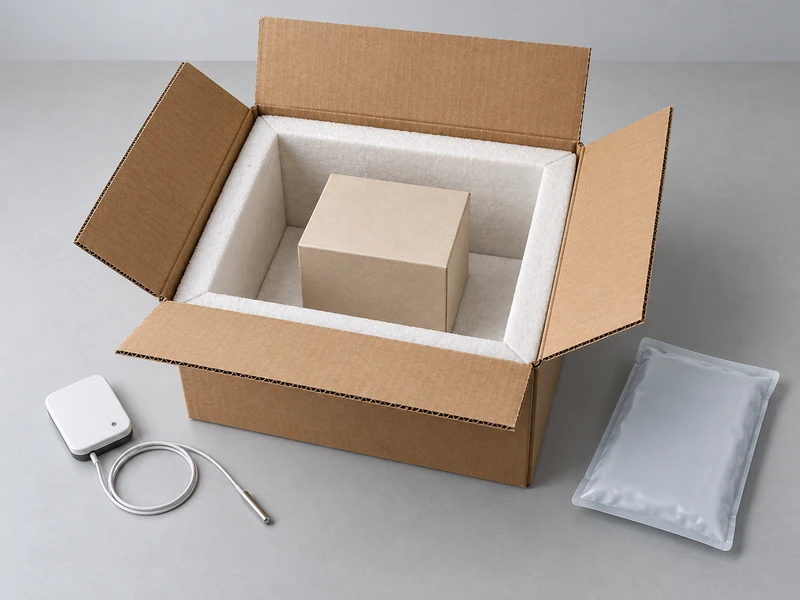
Look at moisture, contact and local temperature effects as well as the overall temperature record. A cold pack resting against a paper-wrapped gift box can create an undesirable local condition. Separate components according to the evaluated design and check the resulting exterior appearance.
Do not casually refrigerate or freeze finished candles as a packing shortcut. Ask the candle maker to define acceptable starting conditions and handling. The product, wick, finish and any labels all need consideration.
Does a Heat Test Replace a Shipping Test?
No: thermal exposure and mechanical handling answer different questions. ISTA’s design and test selection guidance lists thermal testing separately from distribution simulation. Choose the evaluation with an appropriate specialist and use the current relevant procedure where applicable.
A complete plan may need both kinds of evidence. A thermally effective system can still let a heavy jar move, while a mechanically secure system can still allow wax damage. Confirm how the chosen sequence represents the intended distribution conditions.
What Should You Measure During Development?
Record conditions at relevant product locations, not just the air outside the shipper. Place sensors according to the evaluation plan so the measurement answers a defined question. A photograph of an intact carton beside a thermometer is not a useful temperature history.
Inspect the candle after exposure using the agreed appearance criteria. Also examine the insert, adhesive bonds, wrap, printed labels and outer carton. The gift may be technically usable while no longer suitable to present.
Our white, printed and pre-production sample guide helps stage the work. Early samples establish fit; representative materials are needed before judging the finished system. Keep the evaluated configuration identifiable so later substitutions do not pass unnoticed.
Does the Same Presentation Box Need the Same Summer Shipper?
Not necessarily: the retail gift box can remain visually consistent while transport arrangements differ by route or season. The outer configuration should follow the evaluated exposure, not the wish to use one carton everywhere. Keep the intended version identifiable at fulfillment so the correct system is actually packed.
Consider an illustrative candle launch with local retail replenishment and individual home deliveries. Those channels may involve different dwell times, handling and final delivery conditions. They should not share a thermal claim merely because the candle and gift box look identical.
If a seasonal configuration is introduced, rehearse the packing sequence with its actual components. Extra insulation or a cooling element can change the available space, package mass and way the gift box is restrained. Confirm those relationships before using the revised system for customer orders.
Keep a packing photograph and component list with each approved configuration. That practical reference reduces the gap between a successful development sample and the shipment that leaves the warehouse.
What Can You Tell Customers About Summer Delivery?
State only the conditions supported by the chosen product and shipping arrangement. Avoid calling the gift box “heatproof” or suggesting that rigid board prevents melting. Useful instructions describe how the recipient should receive, store and handle the actual product.
For a set containing both candle and diffuser, review the other item’s limits too. Our candle and diffuser gift-box planning article helps keep the presentation coherent, but the two products still need their own compatibility and handling review. The more sensitive component can govern the shipment plan.
Send SevenRainbowpack the candle dimensions and mass, acceptable product conditions, route information and any proposed insulated outer pack. Develop the gift box within those constraints. A beautiful summer delivery begins with an honest division of work between presentation packaging, transport protection and the delivery process.