
A rigid gift box earns a second life when it becomes useful after the original product is removed. A clean interior, an easy-to-remove insert, and a format that fits everyday storage can help a recipient turn packaging into a place for stationery, accessories, or keepsakes. Reuse is a practical possibility, not an automatic environmental benefit or a reason to add unnecessary packaging.
Once the celebration is over, a quieter chapter begins for the packaging. A box that photographs beautifully may still be awkward on a shelf, difficult to empty, or too specialized for anything else. Thinking through its later life opens up a different kind of packaging story.
Day One: What Remains When the Product Leaves?
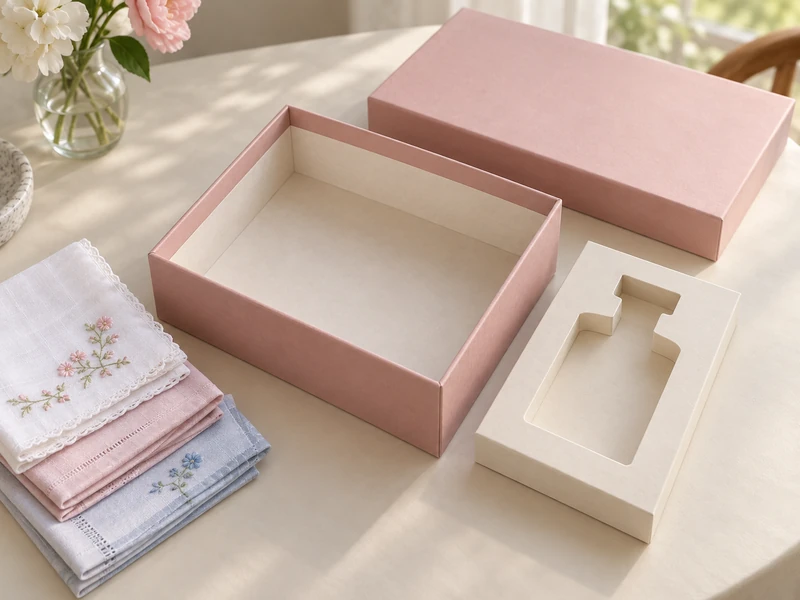
The useful starting point is the empty box itself. Once the bottle, candle, or accessory has been taken out, the recipient sees the remaining cavity, lining, and insert. Those details determine whether the package feels ready for another purpose or like something that needs dismantling.
A removable insert can make that transition straightforward when the original packaging has been designed for it. A permanently fixed or tightly bonded insert may be essential to its first job, however, and should not be presented as removable without evidence. The second use must follow the actual construction.
How Can the Transition Be Made Clear?
A short, accurate instruction can explain which part lifts out and suggest a realistic next use. The wording should describe the actual package rather than promise that every component separates easily. If a recipient needs to tear the lining or cut through hidden hardware, the proposed transition is not simple.
For example, an insert designed to lift out intact could reveal a plain rectangular compartment suitable for small dry objects. That is a design concept, not a statement that all Sevenrainbowpack boxes have this construction. The site’s overview of rigid box inserts shows why the inner arrangement deserves its own attention.
Week One: Where Could the Box Fit Into Daily Life?
A second use is more likely to be practical when it matches an existing routine. The recipient may need a place for correspondence, sewing notions, or small accessories. The box should fit that purpose without encouraging the accumulation of more unused containers.
Could It Become a Desk Organizer?
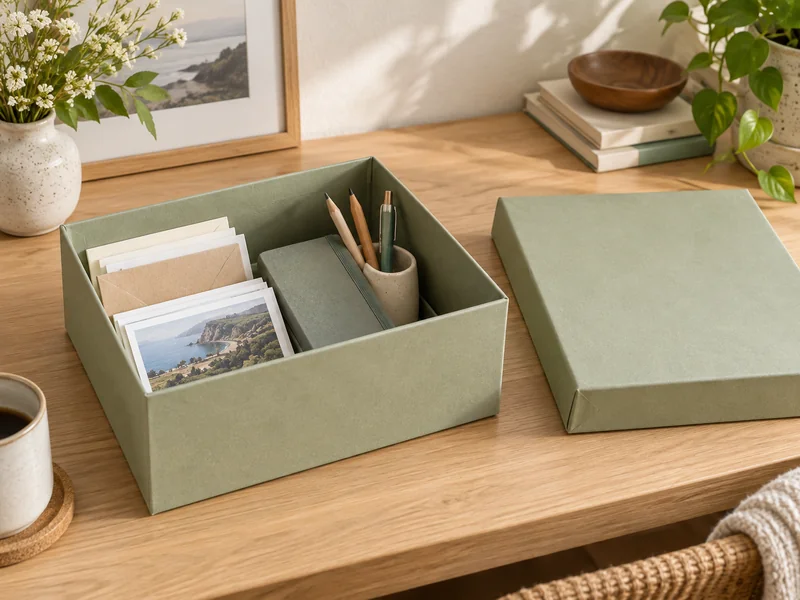
Yes, if the interior holds the intended items without bending them and the box sits securely on the desk. Cards, envelopes, and a small notebook can form a simple collection. Keep the arrangement light enough to handle comfortably and avoid storing objects that could leak onto the paper lining.
A shallow tray is often easier to scan at a glance, while a deeper cavity may work for upright items when they are supported. The key is to use the available shape rather than force every box into the same role. A lid that remains nearby can cover the contents when needed.
Could It Hold Personal Accessories?
It can hold suitable dry accessories when the box is clean, undamaged, and appropriate to the contents. Small fabric pouches can separate items without requiring a new fitted interior. A decorative lining offers no assurance that fragile jewelry or other treasured belongings will receive the cushioning or preservation conditions they need.
Likewise, a pleasant-looking box is not automatically suitable for food, medicines, archival photographs, or moisture-sensitive possessions. Previous perfume or candle packaging may retain an odor that makes it unsuitable for a new purpose. Choose contents that suit the box’s condition and known materials.
Could It Become a Keepsake Box?
Yes, for everyday mementos where ordinary household storage is appropriate. Tickets, greeting cards, and small souvenirs can gain a defined home instead of spreading across drawers. Keep valuable or irreplaceable archival materials in storage designed for their preservation needs.
The emotional connection can come from the original gift as much as the appearance of the box. A handwritten note or a remembered occasion may make an otherwise plain container meaningful. That personal value cannot be manufactured simply by printing the word “keepsake” on a lid.
Month One: Which Design Details Still Matter?
Repeated use brings ordinary handling into focus. The lid must remain easy to orient, the opening point should stay clear, and the box should fit the place where it lives. A decorative feature that worked for a single presentation may be less helpful when someone reaches for the contents every day.
Sevenrainbowpack’s drawer rigid boxes and book-style rigid boxes illustrate two different access motions. A drawer needs room to slide outward, while an attached cover needs room to swing open. Neither movement guarantees a particular service life; suitability depends on the actual box and how it is used.
What Makes a Box Comfortable to Keep?
Useful proportions and a clear identity matter more than a long list of extra features. A recipient should know what is inside and be able to reach it without rearranging an entire shelf. A small removable label can sometimes do more for everyday usefulness than permanent decorative complexity.
- Provide an interior that suits a plausible second use.
- Keep opening and closing straightforward.
- Let temporary gift messages remain separate from the main storage surface where practical.
- Make any removable component understandable without tools.
- Avoid adding layers solely to support a reuse claim.
Visual restraint can also leave room for the recipient to give the box a new identity. A highly specific seasonal message may make year-round desk use feel less natural for some people, although others may enjoy keeping it. The point is to offer flexibility rather than prescribe one aesthetic for everyone.
How Should a Reused Paper Box Be Cared For?
Follow any care information supplied for the particular package. For ordinary paper-wrapped rigid boxes, a cautious routine is to keep them dry, avoid heavy loading, and remove loose dust gently. Do not assume that a decorative surface is washable because it looks smooth.
Keep liquids and damp objects away from the lining. Do not place a burning candle in or on its former gift box, and do not use packaging as a heat-resistant stand. Its new role should stay within the capabilities of the original materials.
Stop using a box when damage makes it unsuitable for the intended contents. Loose hardware, sharp exposed pieces, significant contamination, or a failing base change its usefulness. Reuse should make daily life simpler, not create a repair project the recipient never wanted.
Different surface layers also behave differently in handling. Our article on wrapping materials for rigid boxes explains the range of papers and textures used for presentation. Appearance alone is not evidence of water resistance, stain resistance, or a specific cleaning method.
Does Keeping a Gift Box Automatically Reduce Its Environmental Impact?
No. Reuse can be useful, but the environmental outcome depends on what is made, how it is used, and what the second use replaces. Keeping an empty box indefinitely is different from using it instead of obtaining another storage container.
The US EPA’s materials management hierarchy places emphasis on source reduction and reuse ahead of downstream waste management. That principle supports avoiding unnecessary material in the first place. It does not establish a numerical environmental saving for a particular gift box.
Without a product-specific assessment, avoid claims such as a fixed carbon reduction or a guaranteed number of useful years. A more accurate statement describes the physical opportunity: the insert lifts out, the remaining cavity can hold certain objects, and the box may be reused while it remains suitable. Practical detail is more informative than an unsupported green slogan.
Why Is Reuse Different From Recycling?
Reuse keeps an item in service, while recycling processes accepted materials into another material stream. A box may be useful for storage yet difficult for a local recycling system to accept as a complete assembly. A paperboard shell may be combined with textile trim, a foam cradle, surface treatments, and metal fittings, each of which can follow a different disposal route.
The EPA’s guidance on reducing plastic waste also emphasizes reducing unnecessary items and using existing ones again where appropriate. For a mixed-material gift box, disposal instructions should match the actual components and local collection rules. A reuse suggestion does not replace that information.
At the End: What Makes the Second Life Worthwhile?
The second life is worthwhile when the box solves a real, modest problem. It keeps a desk organized, gathers frequently used accessories, or protects ordinary mementos from scattered storage. A small useful role is more credible than promising that every recipient will keep the package forever.
Our discussion of drawer rigid box styles offers further context for how construction shapes access. In a reuse story, the creative challenge is to make the original structure useful after the gift has gone. The best invitation is specific enough for the recipient to act on.
Packaging’s second life begins with an everyday decision: this box is useful here. Thoughtful interiors, clear handling, and realistic suggestions make that decision easier. The result is a gift package that can continue to serve a purpose after the celebration.